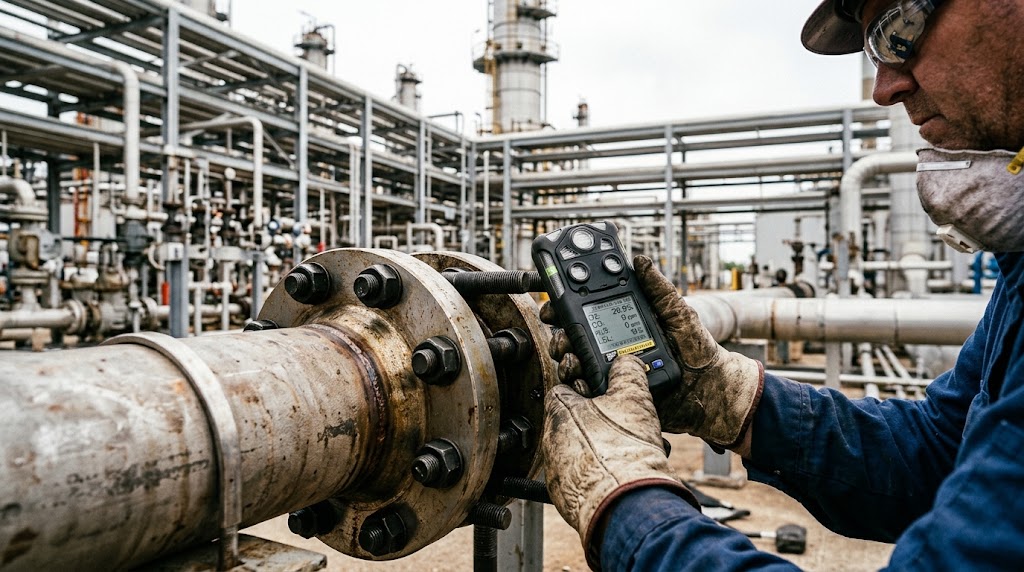
How to Match ASTM A193 B7 Stud Bolts with A194 2H Heavy Hex Nuts for Flange Connections
In refinery, petrochemical, valve, pipeline, and pressure-equipment projects, bolting is a critical part of a reliable flange connection. A flange assembly depends on more than the flange and gasket itself. The stud bolt, nut, thread fit, tightening method, and project specification must work together to create and maintain the required clamping force.
ASTM A193 B7 stud bolts and ASTM A194 Grade 2H heavy hex nuts are widely specified as a matching bolting combination for demanding flange connections. However, selecting the correct pair is not simply a matter of ordering "B7 bolts and 2H nuts." Buyers should confirm the thread system, nominal diameter, stud length, nut type, surface condition, and applicable project requirements before placing an order.
This guide explains the key points to consider when sourcing B7 stud bolts with 2H heavy hex nuts for flange applications.
Why B7 Stud Bolts and 2H Heavy Hex Nuts Are Commonly Paired
ASTM A193 B7 is commonly used for alloy steel stud bolts in high-strength bolting applications. ASTM A194 Grade 2H is a commonly specified heavy hex nut grade used with suitable stud bolts in flange and pressure-related assemblies.
The pairing is frequently seen in projects involving:
Oil and gas pipelines
Petrochemical plants
Valves and pumps
Pressure vessels
Industrial process piping
Flange joints in machinery and equipment
Maintenance and shutdown replacement work
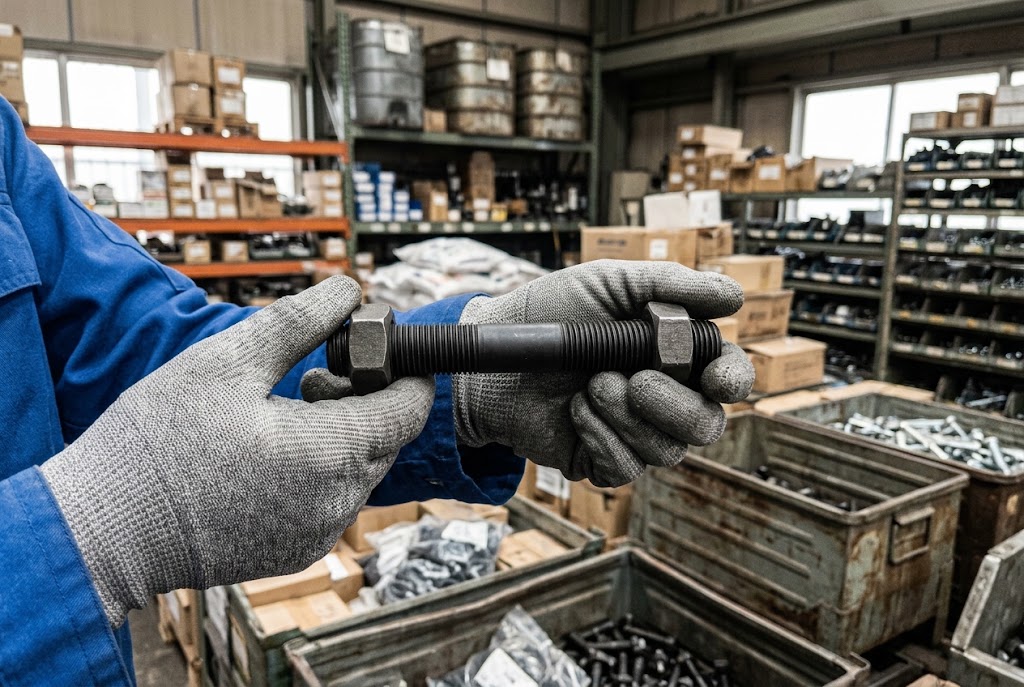
A stud bolt is threaded at both ends and is normally used with two nuts. In a flange connection, the stud passes through the bolt holes of the mating flanges, while nuts are tightened on both sides to compress the gasket and secure the joint.
The correct bolting assembly helps the installer achieve a more controlled and consistent connection. Final material selection, bolt load, tightening procedure, and suitability for operating conditions should always follow the project specification and applicable engineering requirements.
Basic Components of a Flange Stud Bolt Assembly
A typical flange bolting assembly includes several components. Each one affects the final connection.
| Component | Main Function | Procurement Point to Confirm |
|---|---|---|
| Stud bolt | Passes through flange holes and provides the required clamping connection | Material grade, diameter, thread, overall length |
| Heavy hex nut | Secures the stud bolt on each side of the flange | ASTM grade, thread match, across-flats size |
| Flange | Connects pipe, valve, fitting, or equipment | Flange type, pressure class, and bolt-hole pattern |
| Gasket | Creates the sealing interface between flange faces | Gasket material, thickness, and service condition |
| Surface finish or coating | Influences storage protection and application suitability | Bare finish, oil finish, zinc coating, or other specified treatment |
For a standard stud-bolt flange assembly, buyers should specify whether one or two nuts are required per stud. For most through-bolting applications, two matching heavy hex nuts are used.
Key Factors When Matching B7 Stud Bolts with 2H Nuts
1. Match the Thread Type and Thread Pitch
The stud bolt and nut must use the same thread form, nominal diameter, and thread pitch. A nut that looks similar in size cannot be assumed to fit a stud bolt correctly.
For inch-size flange bolting, buyers may need to specify:
Nominal diameter
UNC or UNF thread
Threads per inch
Right-hand or other required thread direction
Applicable ASTM, ASME, or customer drawing requirement
For metric or special applications, provide the relevant standard, diameter, and pitch. Do not rely only on a product photo or a general description such as "heavy hex nut."
2. Determine the Correct Stud Bolt Length
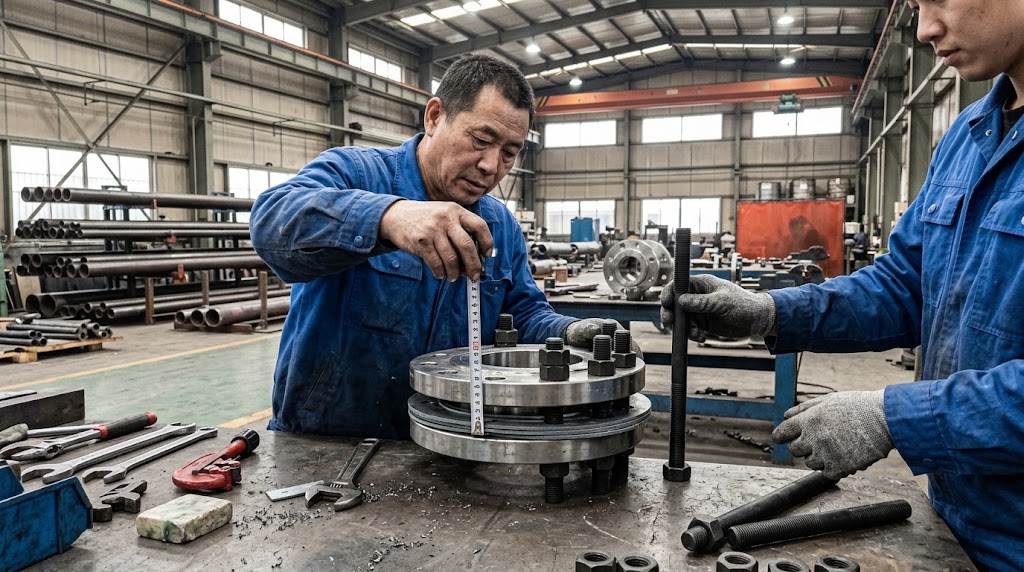
Stud bolt length should be selected based on the complete flange joint, not on pipe size alone. The flange type, flange thickness, gasket thickness, nut height, and required thread projection all affect the required length.
When requesting a quotation, provide the following where available:
Flange standard and pressure class
Flange size
Number of bolt holes
Bolt-hole diameter
Gasket type and thickness
Required nut arrangement
Required projection or installation practice
A stud bolt that is too short may not provide sufficient thread engagement. A stud bolt that is excessively long can interfere with installation space or create an unsuitable assembly condition. The project drawing or flange-bolting table should be the primary reference for final length selection.
3. Confirm the Required Material Grades
A193 B7 stud bolts and A194 2H heavy hex nuts are commonly requested together, but material selection must always match the project's operating conditions and engineering specification.
Before ordering, buyers should clarify:
Required stud bolt standard and grade
Required nut standard and grade
Temperature range of the application
Pressure-service requirements
Exposure to moisture, chemicals, or corrosive environments
Whether the application requires additional corrosion protection
Whether material traceability or inspection documentation is required
For applications involving severe corrosion, elevated temperature, low temperature, sour service, or other specialized conditions, an engineering-approved bolting specification may require a different material grade or additional controls. A standard B7/2H combination should not be substituted for a project-specific requirement without confirmation.
4. Check Heavy Hex Nut Requirements
A194 Grade 2H nuts are heavy hex nuts, which are different from standard hex nuts in their dimensions and intended use. When purchasing nuts for B7 stud bolts, verify that the order requires heavy hex nuts rather than standard hex nuts.
The RFQ should state:
ASTM A194 Grade 2H
Heavy hex nut type
Matching thread size and pitch
Required quantity per stud bolt
Required finish or surface protection
Any marking, packaging, or inspection requirement
This avoids a common sourcing error: ordering a correctly threaded nut with the wrong nut pattern or wrong project grade.
5. Consider Surface Condition and Corrosion Protection
Surface condition should be selected according to storage, transportation, and service requirements. Common buyer requests may include plain finish, oil protection, zinc-coated finish, or other customer-specified surface treatment.
The right option depends on the intended application. Coatings and finishes can affect dimensions, thread fit, corrosion resistance, and project acceptance requirements. For this reason, the required finish should be confirmed before production, especially for critical flange connections.
When the bolting will be used outdoors, in humid storage, near coastal areas, or in corrosive industrial environments, buyers should communicate the actual service condition rather than requesting a generic coating without context.

Common Ordering Mistakes to Avoid
A clear RFQ reduces both quotation delays and the risk of receiving an unsuitable bolting assembly.
Avoid these common issues:
Ordering only "B7 bolt" without stating whether a stud bolt, fully threaded rod, or another form is required
Giving a diameter but omitting the thread series or pitch
Specifying the stud length without the flange joint information
Requesting "hex nuts" when the project requires A194 2H heavy hex nuts
Assuming one nut is included per stud bolt without confirming the package configuration
Omitting the required finish, marking, packaging, or documentation
Selecting a material grade based only on price rather than the project specification
For replacement or maintenance orders, it is helpful to provide an existing sample, clear photographs, a purchase order reference, a technical drawing, or the original flange-bolting schedule.
Information to Include in Your B7 and 2H Fastener RFQ
For an accurate quotation, include as many of the following details as possible:
| RFQ Item | Example of Information to Provide |
|---|---|
| Product | Double-end stud bolt with heavy hex nuts |
| Stud bolt grade | ASTM A193 B7 |
| Nut grade | ASTM A194 Grade 2H |
| Diameter | Required nominal diameter |
| Thread | UNC, UNF, metric pitch, or drawing requirement |
| Stud length | Overall length or flange-bolting schedule requirement |
| Quantity | Number of studs and number of nuts |
| Finish | Plain, oil-protected, or customer-specified finish |
| Application | Pipeline, valve, pressure vessel, pump, or other flange joint |
| Documentation | Material certificate, inspection requirement, or other requested documents |
| Packaging | Bulk packing, carton packing, pallet packing, or project kit packing |
The more complete the RFQ, the faster a supplier can verify the configuration and prepare a relevant quotation.

Frequently Asked Questions
Are ASTM A193 B7 Stud Bolts Always Supplied with A194 2H Nuts?
They are commonly specified together for many flange and pressure-related applications, but the final combination must follow the applicable project specification, engineering requirement, and service condition.
How Many Nuts Are Needed for One Stud Bolt?
For a typical through-bolted flange connection, one stud bolt is used with two nuts, one on each end. However, the required supply configuration should be clearly stated in the RFQ.
Can I Select a Stud Bolt Length Using Only the Pipe Size?
No. The correct length depends on the complete flange joint, including flange type, pressure class, flange thickness, gasket thickness, nut dimensions, and installation requirements.
Can a Standard Hex Nut Replace an A194 2H Heavy Hex Nut?
Not when the project specifically requires ASTM A194 Grade 2H heavy hex nuts. The required standard, grade, and nut pattern should match the project documentation.
What Should I Send for a Replacement Fastener Inquiry?
Send the bolt diameter, thread type, overall length, required material grade, matching nut grade, quantity, application details, and photos or drawings where available. A flange standard or existing bolting schedule is also helpful.
Request a Matched B7 Stud Bolt and 2H Nut Quotation
Jijin Fasteners supplies double-end stud bolts and heavy hex nuts for industrial fastening applications. To request a quotation for an ASTM A193 B7 stud bolt and ASTM A194 Grade 2H heavy hex nut assembly, send your required diameter, thread, stud length, quantity, finish, and application details.
For flange, valve, pipeline, or pressure-equipment projects, you can also provide the applicable flange standard, bolting schedule, or technical drawing so the requested stud bolt and nut configuration can be reviewed accurately.